The Importance of Lunch in a Busy Lifestyle
Let’s face it—lunch is often the most neglected meal of the day. You rush through the morning, plan a decent dinner, but midday? It becomes an afterthought.
But here’s the truth: lunch is your performance checkpoint.
Energy and Productivity Impact
Think of your body like a laptop. You start the day at 100%, but by midday, your battery dips. A proper lunch is your recharge. Without it, your system slows—focus drops, decisions get sloppy, and productivity fades.
The Hidden Costs of Skipping Lunch
Skipping lunch might feel efficient, but it’s a trap. You’ll likely feel drained, crave unhealthy snacks, and overeat later. In other words, you don’t save time—you shift the cost.
What Defines a “Quick Lunch”
Quick doesn’t mean careless. It means intentional efficiency.
The 10-Minute Rule
If it takes more than 10 minutes, it’s not realistic for a busy day. The goal is speed without sacrificing quality.
Flexible Meal Assembly
Instead of recipes, think in systems: protein + carbs + vegetables + flavor. Like building blocks, these elements come together quickly and reliably.
The Formula for a Stylish Lunch
A stylish lunch isn’t about aesthetics alone—it’s about balance and intention.
Nutritional Balance
Protein
Protein keeps you full and focused. Options include chicken, eggs, tuna, tofu, or beans.
Fiber
Fiber stabilizes energy. Vegetables, fruits, and whole grains are your best sources.
Healthy Fats
Fats like avocado, olive oil, and nuts add richness and satisfaction.
Visual Appeal and Color
Ever noticed how colorful meals feel more satisfying? That’s not accidental. Color signals variety and freshness.
Essential Ingredients for Quick Lunches
Fast Protein Options
- Canned tuna
- Rotisserie chicken
- Eggs
- Beans
Convenient Carbohydrates
- Whole-grain bread
- Wraps
- Microwave rice
Flavor Enhancers
- Hummus
- Mustard
- Olive oil
- Lemon juice
These are your shortcuts to great flavor.
Tools That Save Time
Containers and Meal Prep
Good containers keep food fresh and organized. Think of them as your lunch toolkit.
Batch Preparation Strategy
Prepare ingredients—not full meals. Cook proteins, chop vegetables, and store them for quick assembly.
Five Quick Lunch Ideas
Chickpea Wrap
Mash chickpeas with yogurt and spices, add veggies, and wrap it up. Simple and filling.
Chicken Power Bowl
Combine rice, chicken, vegetables, and dressing. It’s fast and customizable.
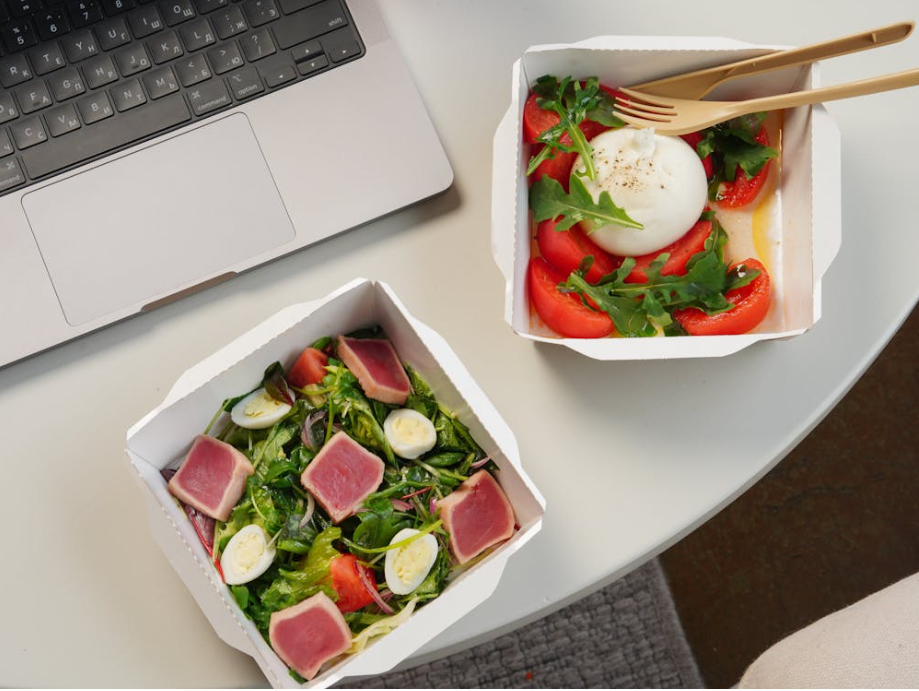
Mediterranean Tuna Plate
Pair tuna with olives, tomatoes, and crackers for a light yet satisfying meal.
Avocado Egg Toast
Creamy, crunchy, and packed with nutrients—ready in minutes.
Balanced Lunch Box
Mix protein, veggies, and carbs in compartments for a visually appealing meal.
Lunch Strategies for Different Situations
At Home
You have flexibility—use warm meals or leftovers.
At Work
Keep it neat and easy to eat. Avoid strong smells and messy dishes.
On the Go
Focus on portability—wraps, boxes, and handheld foods work best.
Making Lunch Look Stylish
Plating Techniques
Even simple meals look better when arranged neatly. Don’t just pile—organize.
Color Coordination
Use at least three colors. It makes the meal visually engaging.
Portion Control
Balance is key. Too much food feels heavy; too little feels unsatisfying.
Common Mistakes to Avoid
Over-Reliance on Snacks
Snacks are not meals. They lack the balance your body needs.
Heavy Meals
Overly rich lunches can leave you sluggish. Aim for light but satisfying.
Ignoring Hydration
Sometimes fatigue is just dehydration. Drink water consistently.
A 5-Day Quick Lunch Plan
Weekly Breakdown
Monday: Chickpea wrap
Tuesday: Chicken bowl
Wednesday: Tuna plate
Thursday: Avocado toast
Friday: Lunch box
Simple, repeatable, effective.
Conclusion
Quick lunches are not about cutting corners—they’re about designing smarter systems. When you treat lunch as a strategy rather than an afterthought, everything improves: your energy, your focus, and your overall day.
In a world that demands speed, a well-planned lunch is your competitive advantage.