| From Garden to Plate: Growing & Cooking with Herbs |
Introduction: Why Herbs Matter
Fresh herbs are the unsung heroes of cooking. They can transform a simple dish into something extraordinary. But beyond flavor, herbs bring nutritional value and a connection to nature that store-bought alternatives can’t match. Growing your own herbs is not only satisfying—it’s also cost-effective, sustainable, and a fun way to elevate your cooking game.
The Benefits of Growing Your Own Herbs
Flavor, Nutrition, and Freshness
Herbs plucked directly from your garden retain essential oils that give dishes a punch of flavor. Imagine a basil leaf just moments after harvesting—it’s vibrant, aromatic, and far superior to its supermarket counterpart. Fresh herbs also preserve more nutrients than dried or pre-packaged versions.
Cost Savings and Sustainability
Buying fresh herbs regularly can get expensive. By growing your own, you reduce waste, save money, and contribute to a more sustainable lifestyle. No more plastic packaging, long-distance shipping, or herbs that wilt before you can use them.
Choosing the Right Herbs
Annual vs. Perennial Herbs
Annual herbs, like basil or cilantro, complete their life cycle in one season, making them perfect for seasonal rotation. Perennials, such as rosemary or thyme, return year after year, providing long-term value. Understanding which type suits your garden will guide your planting decisions.
Popular Culinary Herbs
Some of the most versatile herbs include:
- Basil – Ideal for Italian dishes, pesto, and salads.
- Rosemary – Pairs well with roasted meats and potatoes.
- Thyme – Great in soups, stews, and marinades.
- Mint – Perfect for teas, desserts, and refreshing drinks.
- Parsley – Adds freshness and color to almost any dish.
Herbs for Beginners
Start with hardy herbs like chives, oregano, or mint. These require minimal care and adapt well to indoor or outdoor conditions.
Planning Your Herb Garden
Indoor vs. Outdoor Gardens
Indoor herb gardens allow year-round access, while outdoor gardens benefit from natural sunlight. Consider windowsills, patios, or balconies if space is limited.
Choosing the Right Containers
Herbs thrive in containers that allow for drainage and root expansion. Terra-cotta pots, raised beds, and self-watering planters are excellent options.
Soil and Fertilization Tips
Use well-draining soil rich in organic matter. Herbs prefer slightly acidic to neutral soil (pH 6-7). Compost or slow-release fertilizers provide steady nutrition without overwhelming the plants.
Sunlight and Water Requirements
Most culinary herbs need 6-8 hours of sunlight daily. Water when the soil feels dry, avoiding overwatering, which can lead to root rot.
Planting Techniques
Seeds vs. Starter Plants
Seeds are cost-effective and give you a variety of options, but starter plants provide faster results. Consider a mix of both for efficiency and diversity.
Proper Spacing and Pruning
Give each herb enough room to grow. Crowded plants can stunt growth and promote disease. Regular pruning encourages bushier growth and prolongs the harvest season.
Companion Planting
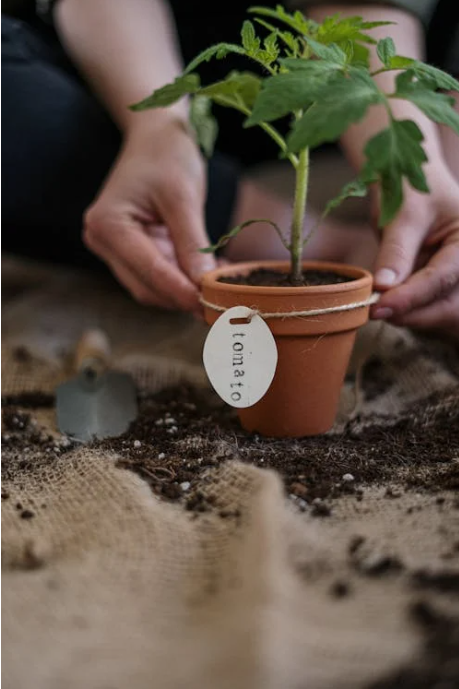
Certain herbs thrive when planted alongside complementary species. For example, basil enhances tomato growth, while mint can deter pests from lettuce.
Herb Care and Maintenance
Watering and Mulching
Consistent watering is key, but avoid soggy soil. Mulch retains moisture, moderates soil temperature, and suppresses weeds.
Pest and Disease Control
Natural remedies like neem oil or insecticidal soap help manage pests. Regularly check leaves for early signs of aphids or fungal infections.
Harvesting Tips
Harvest in the morning when essential oils are at their peak. Pinch off leaves carefully without damaging the plant’s growth nodes. Frequent harvesting actually encourages new




Leave a Reply