Florida is famous for its beaches, sunshine, theme parks, and outdoor lifestyle. But there is another side of the Sunshine State that deserves just as much attention: its vibrant farmers market culture. From small neighborhood stalls selling freshly picked citrus to lively weekend markets filled with local food vendors, handmade crafts, and live music, Florida farmers markets offer a genuine taste of local life.
Whether you live in Florida, are planning a vacation, or simply enjoy discovering fresh ingredients, visiting a farmers market is one of the easiest ways to experience the state’s agricultural heritage. You can meet local growers, sample regional specialties, discover seasonal produce, and support independent businesses—all while enjoying the relaxed atmosphere that makes Florida special.
However, not every market offers the same experience. Some focus primarily on farm-fresh fruits and vegetables, while others combine food, art, entertainment, and community events. Knowing what to expect can help you choose the right market and make the most of your visit.
This guide explores Florida’s farmers market culture, highlights popular destinations, explains what to buy throughout the year, and shares practical tips to help you shop like a local.
Why Florida Farmers Markets Are Worth Visiting
Farmers markets are more than convenient places to purchase groceries. They connect consumers with the people who grow, prepare, and produce the food they enjoy. In a state with such a diverse agricultural landscape, these markets provide an especially interesting window into local life.
Fresh Produce Straight from Local Farms
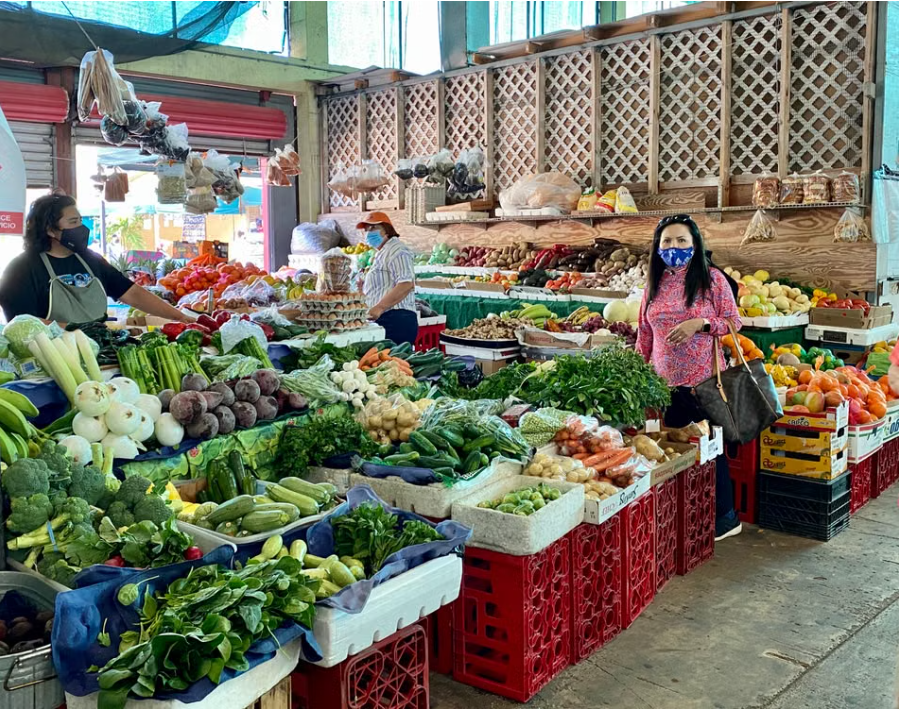
One of the biggest reasons to visit a Florida farmers market is access to seasonal produce. Depending on the region and time of year, you may find strawberries, tomatoes, avocados, leafy greens, sweet corn, tropical fruits, and different varieties of citrus.
Unlike a typical supermarket shopping experience, farmers markets allow you to ask where products come from and when they were harvested. Some vendors grow their own produce, while others work with nearby farms.
This direct connection makes shopping more informative. You can learn which tomatoes are best for salads, how to select a ripe avocado, or when a particular fruit is at its sweetest.
Freshness can also influence flavor. Produce harvested close to its selling point may spend less time in storage and transportation than products shipped across long distances.
Supporting Small Businesses and Florida Farmers
Buying from local vendors helps keep money circulating within the community. Farmers, bakers, beekeepers, food artisans, and independent makers all benefit when customers choose their products.
For small agricultural businesses, farmers markets can provide a valuable sales channel without the expense of operating a traditional retail store. Customers also benefit from the opportunity to build relationships with the people behind the products.
If you regularly visit the same market, you may begin recognizing familiar vendors and discovering new seasonal offerings. Over time, shopping becomes less like a routine errand and more like a community experience.
Understanding Florida’s Growing Seasons
Florida’s warm climate creates a longer and more varied growing season than many other parts of the United States. However, that does not mean every fruit and vegetable grows equally well throughout the year.
The state’s agricultural calendar is influenced by temperature, rainfall, regional conditions, and occasional cold weather. Understanding these patterns helps you know what to look for when visiting local markets.
Winter and Spring Produce
Winter is an important growing season for many Florida crops. Cooler temperatures can create favorable conditions for strawberries, leafy greens, broccoli, cabbage, carrots, and other vegetables.
Citrus is also closely associated with Florida’s agricultural identity. Oranges, grapefruits, and tangerines are especially popular during the cooler months, although availability depends on variety and harvest timing.
Spring brings additional variety. You may encounter tomatoes, cucumbers, squash, peppers, herbs, and fresh flowers as the weather warms.
For shoppers, winter and spring are excellent times to explore Florida’s farm-grown ingredients. Many markets have a strong selection of fresh produce, making it easier to plan meals around seasonal foods.
Summer and Fall Produce
Summer in Florida brings intense heat, humidity, and frequent rainfall. These conditions influence which crops are available and how vendors manage their produce.
Depending on the location and growing conditions, summer markets may feature tropical fruits, melons, okra, peppers, eggplant, herbs, and other warm-weather crops.
Fall is a transition period. Some markets begin introducing cooler-season vegetables, while others continue offering products associated with Florida’s warm climate.
Availability varies considerably by region and farm. A product that is abundant at a North Florida market may not be equally common in South Florida at the same time.
Why Seasonal Shopping Makes a Difference
Seasonal shopping helps you discover ingredients when they are naturally available. It can also encourage more variety in your meals.
Instead of buying the same fruits and vegetables every week, consider asking vendors what is currently in season. They may recommend ingredients you have never cooked with before.
A practical approach is to plan meals around what looks freshest rather than deciding on every ingredient before arriving. This small change can make farmers market shopping more enjoyable and flexible.
Popular Florida Farmers Markets to Explore
Florida has farmers markets in cities, coastal communities, suburban neighborhoods, and smaller agricultural towns. Some operate every weekend, while others follow seasonal schedules or specific event calendars.
The following destinations are well-known examples worth exploring. Always check their current operating days, seasonal schedules, and vendor information before traveling.
Winter Park Farmers’ Market
The Winter Park Farmers’ Market is a popular Central Florida destination with a welcoming community atmosphere.
Located near downtown Winter Park, the market is known for its selection of fresh food, plants, flowers, specialty products, and local vendors. Its setting makes it easy to combine shopping with a walk around the surrounding neighborhood.
Visitors can browse different stalls, discover locally made goods, and enjoy the relaxed pace of the area.
It is particularly appealing to people who want a traditional farmers market experience without giving up access to restaurants, shops, and other downtown attractions.
St. Petersburg Saturday Morning Market
The St. Petersburg Saturday Morning Market is one of the best-known market experiences in the Tampa Bay area.
It offers a lively combination of prepared food, fresh products, handmade items, and local creativity. Depending on the market season, visitors may find international food, baked goods, specialty beverages, crafts, and produce.
The atmosphere is a major attraction. Rather than simply shopping for groceries, visitors can spend time tasting different foods, listening to music, and discovering independent businesses.
It is an excellent option for people who enjoy markets that feel like community festivals.
Jacksonville Farmers Market
The Jacksonville Farmers Market has a long history and offers a different atmosphere from many newer weekend markets.
Its focus on fresh food and agricultural products makes it an interesting stop for shoppers who want to explore North Florida’s food culture.
Visitors can find a range of fruits, vegetables, and other market products, depending on vendor availability. Its more traditional market character provides a useful contrast to markets that emphasize entertainment and lifestyle experiences.
If you are exploring Jacksonville, it is worth checking current vendor hours and market arrangements before making the trip.
Miami Farmers Markets
Miami’s farmers market scene reflects the city’s multicultural population and subtropical environment.
Markets and pop-up events throughout the area may feature tropical fruits, fresh herbs, vegetables, baked goods, prepared meals, and specialty products influenced by Caribbean and Latin American food traditions.
You may discover ingredients such as avocados, mangoes, guava products, peppers, herbs, and other foods that reflect South Florida’s diverse culinary influences.
Because Miami has several neighborhood and seasonal markets, the best choice often depends on where you are staying and what kind of experience you want.
Sarasota Farmers Market
The Sarasota Farmers Market is a well-known destination for residents and visitors on Florida’s Gulf Coast.
Its downtown location makes it convenient to combine a market visit with shopping, dining, and exploring the surrounding area.
Depending on the season and participating vendors, visitors can browse fresh produce, baked goods, specialty foods, flowers, plants, and handmade products.
The market is particularly attractive to people who enjoy spending a relaxed morning outdoors while discovering local businesses.
Other Neighborhood and Community Markets
Some of Florida’s most interesting farmers market experiences are found outside its largest cities.
Smaller community markets can introduce visitors to local growers, regional specialties, and independent artisans. They may be less crowded than major destinations and can provide more opportunities to speak directly with vendors.
Look for markets in places such as Gainesville, Tallahassee, Naples, Fort Lauderdale, Delray Beach, and smaller surrounding communities.
The best market is not necessarily the largest one. Sometimes a neighborhood market with a handful of dedicated growers offers a more personal experience.
What You Can Buy at a Florida Farmers Market
Farmers markets offer much more than fruits and vegetables. Many have developed into diverse shopping destinations where customers can find food, household products, plants, and handmade gifts.
Fresh Fruits and Vegetables
Fresh produce is often the main attraction.
Depending on the season and location, shoppers may find strawberries, citrus, tomatoes, sweet potatoes, peppers, cucumbers, leafy greens, squash, melons, and tropical fruits.
When selecting produce, look beyond appearance. Ask about ripeness, storage, and how soon an item should be eaten.
For example, a slightly firm avocado may be a better purchase if you plan to use it several days later. Meanwhile, ripe strawberries are best enjoyed relatively soon after purchase.
Honey, Jams, and Locally Made Pantry Goods
Many Florida markets feature small businesses producing honey, fruit preserves, sauces, spice blends, pickles, and other pantry products.
Local honey is particularly popular, although its flavor and characteristics can vary depending on the plants visited by bees and the producer’s practices.
Jams and preserves can also reflect regional fruit varieties. Look for products made with ingredients that are currently in season.
Before buying, read labels and ask vendors about ingredients, production methods, and storage requirements.
Seafood, Baked Goods, and Prepared Foods
Some markets include vendors selling seafood, fresh bread, pastries, prepared meals, and ready-to-eat snacks.
These products make markets especially appealing for weekend outings. You can pick up fresh ingredients for dinner while enjoying breakfast or lunch from a local food vendor.
When purchasing seafood or refrigerated foods, pay attention to proper temperature control, packaging, and handling. Ask vendors how products should be stored and how quickly they should be consumed.
Plants, Flowers, and Handmade Products
Farmers markets are also excellent places to discover plants and locally made items.
You may find herbs suitable for a kitchen garden, flowering plants, succulents, seasonal arrangements, handmade soaps, candles, pottery, jewelry, and home decorations.
These products make thoughtful gifts and offer another way to support independent creators.
If you are buying plants, ask about sunlight, watering frequency, and whether they are suitable for Florida’s climate.
How to Shop Like a Florida Local
A little preparation can make a major difference when visiting a farmers market. The goal is not simply to buy more products. It is to make thoughtful purchases, discover quality ingredients, and enjoy the experience.
Arrive Early, but Know What You Want
Arriving early often gives you access to a wider selection, particularly for popular produce and specialty items.
However, the best arrival time depends on the market. Some markets become lively later in the morning, while others attract crowds shortly after opening.
If you are looking for a specific product, check the market’s vendor information or ask the seller about availability.
It is also helpful to have a flexible shopping list. Choose a few essential ingredients, then leave room for seasonal discoveries.
Bring Reusable Bags and Small Bills
Reusable shopping bags are practical because market purchases can quickly become difficult to carry.
A few smaller bills can also make transactions easier, although many vendors accept electronic payments. Do not assume every stall offers the same payment options.
If you plan to purchase delicate products, consider bringing a separate container or insulated bag.
Florida’s heat can affect fresh food, dairy products, seafood, and other temperature-sensitive items. Keep those purchases cool and avoid leaving them in a hot vehicle for extended periods.
Talk to Farmers and Ask About Their Produce
One of the biggest advantages of farmers markets is direct communication with vendors.
Ask simple questions:
- When was this produce harvested?
- Is it grown locally?
- How should I store it?
- What is the best way to prepare it?
- Which varieties are currently in season?
These conversations can help you make better purchases and learn more about Florida agriculture.
They also make the experience more personal. You are not simply choosing products from a shelf; you are learning about the people and work behind them.
How to Compare Quality and Value
Price should not be your only consideration when comparing products.
Look at freshness, quantity, variety, growing practices, and how long the food is likely to last. A slightly higher-priced product may offer better value if it is fresher or comes in a quantity that suits your household.
It is also important to understand vendor descriptions. Terms such as local, natural, and organic do not all mean the same thing.
If organic certification matters to you, ask whether the farm is certified and what growing practices it follows. Do not assume that every product at a farmers market is organic.
Florida Farmers Markets for Families and Visitors
Farmers markets can be enjoyable for more than dedicated food shoppers. They offer an easy way to explore local neighborhoods and introduce children to fresh food and small businesses.
Family-Friendly Market Activities
Many larger markets offer activities beyond shopping. Depending on the location, visitors may encounter live music, food demonstrations, seasonal celebrations, craft stalls, and family-oriented events.
For children, a market can become an informal learning experience.
They can see unfamiliar fruits, learn where vegetables come from, talk to growers, and choose ingredients for a meal at home.
A simple idea is to give each child a small shopping responsibility. They might choose one fruit, select a vegetable, or find an ingredient for a weekend recipe.
This makes the visit interactive and encourages curiosity about food.
Combining Market Visits with Local Sightseeing
A farmers market can also be the starting point for a broader day out.
In Winter Park, for example, you can combine a market visit with exploring the downtown area. In St. Petersburg, the Saturday market can fit into a day of discovering the city’s restaurants, waterfront, and cultural attractions.
In Sarasota, visitors can enjoy the market before exploring downtown or heading toward nearby coastal destinations.
The key is to check opening times and plan transportation in advance. Parking can become limited at popular markets, especially during peak weekend hours.
Farmers Markets and Florida’s Food Culture
Florida’s food culture reflects its geography, climate, and diverse population.
The state’s agricultural identity includes citrus, strawberries, vegetables, tropical fruits, and other crops. At the same time, its communities bring together culinary traditions from the Caribbean, Latin America, the American South, and many other regions.
Farmers markets bring these influences together in one place.
A single visit might introduce you to locally grown vegetables, Caribbean-inspired sauces, Latin American pastries, handmade preserves, and fresh herbs used in regional cooking.
This variety is part of what makes Florida markets distinctive.
They also help preserve local food knowledge. When shoppers ask farmers how to prepare unfamiliar ingredients, they create opportunities for traditional cooking techniques and regional recipes to be shared with new audiences.
For visitors, this is a more meaningful way to experience Florida than simply visiting popular tourist attractions. You get a glimpse of the people, businesses, and food traditions that shape everyday life.
Common Farmers Market Shopping Mistakes to Avoid
Even experienced shoppers can make a few common mistakes.
First, do not assume every market operates year-round. Some have seasonal schedules, holiday closures, or changing locations. Check official information before traveling.
Second, avoid shopping without considering Florida’s weather. Heat and humidity can affect fresh purchases. Bring suitable bags and plan to store temperature-sensitive items properly.
Third, do not assume every product is locally grown. Some vendors may sell products sourced from elsewhere. Ask where an item comes from if local origin is important to you.
Fourth, avoid buying more fresh food than you can use. Attractive displays make it easy to purchase too much. Think about your meals for the next few days before filling your bags.
Finally, do not overlook smaller vendors. The busiest stall is not always the most interesting. Take time to explore the entire market and discover independent producers.
How to Find Farmers Markets Near You
Finding a farmers market in Florida is relatively easy, but confirming the details is essential.
Start by searching for farmers markets in your city or neighborhood. Local government websites, tourism organizations, market social media pages, and community event calendars can help you identify nearby options.
Before visiting, verify:
- The current operating day and opening hours.
- The market’s exact location and parking arrangements.
- Whether the market is seasonal or year-round.
- Which vendors are expected to attend.
- Whether pets are permitted.
- Available payment methods and special event information.
You can also ask local residents for recommendations. People who shop regularly may know which markets have the best produce, the most interesting food vendors, or a quieter atmosphere.
If you are visiting Florida on vacation, choose a market near your accommodation or planned sightseeing route. This makes it easier to enjoy the experience without spending too much time traveling.
Conclusion
Florida farmers markets offer a refreshing way to experience the Sunshine State beyond its beaches and tourist attractions. They bring together fresh seasonal produce, local agriculture, independent businesses, regional food traditions, and welcoming community spaces.
Whether you visit the Winter Park Farmers’ Market, explore the lively St. Petersburg Saturday Morning Market, discover Miami’s multicultural food stalls, or find a small neighborhood market near home, each visit can offer something different.
The best approach is to arrive with an open mind, ask questions, explore seasonal ingredients, and take time to meet the people behind the products. You may leave with fresh groceries, a new favorite snack, or simply a better understanding of Florida’s local communities.
Ultimately, farmers markets are about more than shopping. They are about connecting with the place you live in or are visiting—one conversation, one seasonal ingredient, and one delicious discovery at a time.
Frequently Asked Questions
1. What is the best time of year to visit Florida farmers markets?
Winter and spring are excellent seasons for exploring Florida farmers markets because many cooler-weather crops, including strawberries, citrus, and leafy greens, are available. However, markets operate throughout different parts of the year, and summer can bring tropical fruits and warm-weather vegetables.
2. Are Florida farmers markets open year-round?
Some Florida farmers markets operate throughout the year, while others follow seasonal schedules or close during certain months. Operating days and hours can also change because of weather, holidays, and special events. Always check the market’s official website or social media before visiting.
3. Is produce cheaper at farmers markets?
Not necessarily. Prices depend on the product, season, farm, and market. Some items may cost less than supermarket alternatives, while specialty or organically certified products may cost more. Compare freshness, quantity, quality, and growing practices rather than judging value by price alone.
4. Can you buy organic food at Florida farmers markets?
Yes. Some vendors offer certified organic produce and other organic products. However, not every locally grown product is certified organic. If certification is important to you, ask the vendor about the farm’s practices and look for appropriate certification information.
5. What should I bring when visiting a farmers market?
Bring reusable shopping bags, a little cash, comfortable shoes, and a reusable water bottle. An insulated bag can be useful for seafood, dairy, and other temperature-sensitive purchases. It is also helpful to bring a flexible shopping list so you can take advantage of seasonal products.