Florida is often associated with beaches, palm trees, and endless sunshine. But beyond the tourism brochures and oceanfront imagery lies something deeply underrated—its food culture. Florida’s unique geography creates one of the most diverse culinary landscapes in the United States, blending tropical produce, fresh seafood, Southern comfort traditions, and Caribbean influences into a vibrant food identity.
If your cooking feels repetitive lately, Florida ingredients might be exactly what your kitchen needs.
Why? Because these ingredients bring brightness, freshness, and contrast. They wake up dishes the same way sunlight floods a dark room. From citrus fruits bursting with acidity to seafood pulled fresh from coastal waters, Florida ingredients have a way of transforming ordinary meals into memorable experiences.
This article explores the local Florida ingredients that can completely elevate your cooking style, flavor balance, and creativity in the kitchen.
Why Florida Ingredients Stand Out
Florida’s culinary strength comes directly from its environment. The state’s subtropical climate allows farmers and fishermen to produce ingredients that many other regions simply cannot replicate year-round.
Warm temperatures, coastal access, and multicultural influences create a culinary ecosystem filled with contrast and complexity.
The Influence of Coastal and Tropical Environments
Florida sits between the Atlantic Ocean and the Gulf of Mexico, giving it access to an extraordinary range of seafood. At the same time, the tropical climate supports fruits and vegetables that thrive in heat and humidity.
This dual identity—coastal and tropical—creates unusual flavor combinations.
Think about grilled shrimp with mango salsa. Or citrus-marinated fish topped with avocado. These combinations work because Florida ingredients naturally complement one another.
The cuisine feels light yet bold, simple yet layered.
Farm-to-Table Culture in Florida
Local sourcing has become increasingly important across the food industry, and Florida has embraced this movement enthusiastically.
Farmers markets, local fisheries, and regional produce programs allow chefs and home cooks to access fresher ingredients with stronger flavor profiles.
Fresh ingredients behave differently in cooking. A locally harvested tomato tastes alive compared to a refrigerated supermarket tomato shipped across multiple states.
Freshness is not just a detail—it is flavor itself.
Citrus Fruits Beyond Ordinary Cooking
When people think of Florida food, citrus immediately comes to mind. But citrus is far more versatile than many home cooks realize.
It is not just breakfast juice. It is culinary architecture.
Oranges and Their Culinary Versatility
Florida oranges provide sweetness, acidity, and aroma simultaneously.
In savory cooking, orange juice can:
- Brighten marinades
- Balance spicy sauces
- Tenderize meats
- Enhance seafood glazes
Orange zest adds concentrated fragrance without additional liquid, making it ideal for desserts, salad dressings, and roasted vegetables.
A squeeze of fresh orange can transform a heavy dish into something vibrant and balanced.
It works like turning up the brightness setting on a screen—suddenly everything becomes clearer.
Key Limes and Bright Acidity
Key limes are smaller and more aromatic than standard limes, delivering sharper acidity and floral complexity.
While famous for Key lime pie, they also excel in:
- Seafood marinades
- Tropical vinaigrettes
- Grilled chicken dishes
- Coconut-based sauces
Acidity is one of the most powerful tools in cooking. It cuts richness, sharpens flavor, and creates balance.
Without acidity, dishes often taste flat no matter how much seasoning is added.
Citrus Pairing Mistakes to Avoid
Citrus is powerful, but improper use can overwhelm food.
Common mistakes include:
- Adding too much juice to delicate seafood
- Combining citrus with overly bitter greens
- Using bottled juice instead of fresh
- Applying citrus too early during cooking
Fresh citrus should enhance flavors, not dominate them.
Think of citrus as background music. When balanced correctly, it elevates the entire experience without stealing attention.
Florida Seafood That Elevates Meals
Seafood is at the heart of Florida cooking. Fresh coastal ingredients provide cleaner flavor, softer texture, and greater versatility than frozen alternatives.
Gulf Shrimp and Delicate Sweetness
Florida Gulf shrimp are prized for their natural sweetness and tender texture.
Unlike heavily processed shrimp, fresh Gulf shrimp require minimal seasoning to shine.
Simple preparations often work best:
- Garlic butter sauté
- Citrus grilling
- Blackened seasoning
- Chilled shrimp cocktails
Overcooking shrimp is one of the biggest mistakes home cooks make. Perfect shrimp should feel tender and slightly springy—not rubbery.
Cooking shrimp correctly is like timing a photograph. One extra moment changes everything.
Stone Crab and Regional Luxury
Stone crab claws are one of Florida’s most iconic seafood specialties.
Their appeal comes from:
- Sweet meat
- Firm texture
- Sustainable harvesting methods
Traditionally served chilled with mustard sauce, stone crab demonstrates an important culinary lesson: exceptional ingredients require simplicity.
When ingredients are extraordinary, restraint becomes sophistication.
Tropical Fruits That Transform Flavor
Florida’s tropical fruits bring freshness, sweetness, and unexpected complexity into cooking.
These ingredients help create dishes that feel lighter and more dynamic.
Mangoes in Savory and Sweet Dishes
Mangoes are incredibly versatile.
They work beautifully in:
- Salsas
- Smoothies
- Desserts
- Curries
- Grilled dishes
The sweetness of mango balances spice exceptionally well. This is why mango salsa pairs naturally with spicy fish tacos or jerk chicken.
Sweetness and heat create culinary tension—and tension creates excitement.
Avocados and Creamy Texture
Florida avocados differ from smaller Hass avocados. They are larger, smoother, and lower in fat.
Their creamy texture works well in:
- Salads
- Sandwiches
- Cold soups
- Rice bowls
- Dips
Avocados provide richness without heaviness, making them especially valuable in warm-weather cuisine.
They function almost like edible velvet—softening and balancing sharper flavors.
Southern and Caribbean Influences in Florida Cooking
Florida cuisine reflects cultural fusion. Southern traditions blend seamlessly with Caribbean, Cuban, and Latin American influences.
This creates bold, layered flavor profiles.
Plantains and Bold Comfort Food
Plantains occupy a unique space between fruit and starch.
Depending on ripeness, they can be:
- Sweet and caramelized
- Savory and crisp
- Soft and buttery
Fried plantains add comfort and texture to countless dishes.
Their versatility makes them culinary chameleons.
Cuban Spices and Seasonings
Florida’s Cuban influence has deeply shaped regional cooking.
Popular flavor foundations include:
- Garlic
- Cumin
- Oregano
- Citrus marinades
- Mojo sauce
These seasonings create depth without excessive complexity.
Good seasoning works like layering instruments in music. Individually simple, collectively powerful.
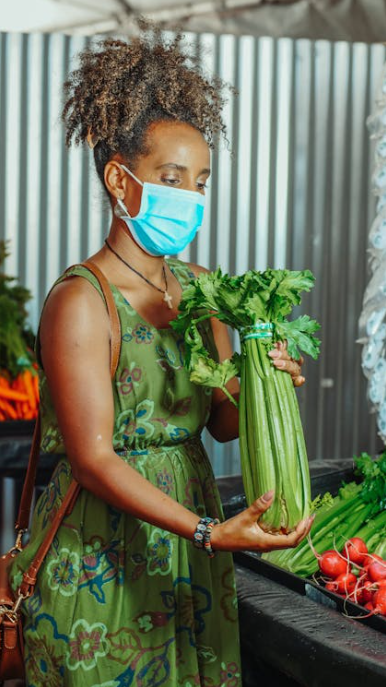
Florida Vegetables Worth Rediscovering
Some Florida vegetables rarely receive national attention despite exceptional culinary value.
Hearts of Palm and Culinary Creativity
Hearts of palm offer delicate texture and mild flavor.
They work well in:
- Salads
- Pasta dishes
- Seafood plates
- Vegetarian recipes
Their subtle flavor allows surrounding ingredients to shine while adding structural balance.
Sweet Corn and Fresh Tomatoes
Florida-grown sweet corn and tomatoes thrive in sunny climates.
Fresh tomatoes provide:
- Better sweetness
- Stronger aroma
- Softer texture
Meanwhile, sweet corn adds natural sugar and crunch to salads, soups, and grilled dishes.
Fresh produce changes cooking because it requires less manipulation. Nature already handled most of the work.
Cooking Techniques That Highlight Florida Ingredients
The best cooking techniques preserve freshness rather than hiding it.
Grilling, Blackening, and Citrus Marination
Florida cuisine favors bold but efficient cooking methods.
Popular techniques include:
- Open-flame grilling
- Blackened seasoning
- Citrus marination
- Quick sautéing
These methods enhance ingredients without overcomplicating them.
Grilling, especially, adds smokiness that complements tropical sweetness beautifully.
The contrast between char and citrus creates remarkable flavor depth.
Sustainable Eating Through Local Ingredients
Choosing local ingredients is not only about flavor—it also supports sustainability.
Supporting Florida Farmers and Fisheries
Buying local reduces transportation emissions while supporting regional economies.
Local sourcing often means:
- Fresher food
- Lower environmental impact
- Stronger community support
- Better seasonal eating habits
Sustainability becomes easier when local ingredients are genuinely delicious.
People naturally protect what they value.
Building a Florida-Inspired Pantry
You do not need to live in Florida to cook with Florida-inspired flavors.
A few pantry staples can dramatically shift your cooking style.
Oils, Sauces, and Regional Condiments
Useful Florida-inspired pantry items include:
- Citrus-infused olive oils
- Hot sauces
- Mojo marinades
- Tropical fruit preserves
- Seafood seasoning blends
These ingredients help recreate coastal brightness and tropical complexity at home.
A pantry is like a painter’s palette. The better your colors, the more expressive your cooking becomes.
Conclusion
Florida ingredients offer far more than regional novelty. They represent a cooking philosophy centered around freshness, brightness, simplicity, and balance. From citrus fruits and tropical produce to fresh seafood and Caribbean-inspired spices, these ingredients encourage lighter, more vibrant cooking that feels both comforting and exciting.
What makes Florida cuisine special is not excessive complexity. It is contrast. Sweetness meets acidity. Smoke meets freshness. Richness meets brightness.
By incorporating local Florida ingredients into your kitchen, you do more than change recipes—you change how you think about flavor itself.
And sometimes, a single fresh ingredient can completely redefine an ordinary meal.