| How to Capture Insta-Worthy Travel Photos |
Introduction: The Art of Travel Photography
Travel photography isn’t just snapping pictures—it’s telling a story, capturing emotions, and freezing moments in time. In today’s social media-driven world, especially on Instagram, the demand for visually striking travel photos has never been higher. But how do you transform ordinary trips into a feed full of jaw-dropping images?
This guide breaks down the strategies, tools, and mindset you need to consistently capture photos that not only tell your travel story but also stop your followers mid-scroll.
Why Travel Photos Matter in the Instagram Era
Instagram isn’t just a platform—it’s a visual diary. High-quality travel photos convey personality, inspire others, and can even boost your credibility as a content creator. A single stunning photo can spark wanderlust, promote destinations, and amplify your personal brand.
Beyond vanity metrics, capturing great images enhances your experience of travel itself. It makes you more observant, intentional, and present in your journey.
Understanding Your Camera
DSLR vs. Mirrorless vs. Smartphone
Choosing the right camera depends on your priorities.
- DSLRs: High image quality, interchangeable lenses, versatile settings—but heavier and more complex.
- Mirrorless: Compact, high quality, perfect for travel without bulk.
- Smartphones: Highly portable, with computational photography making stunning shots accessible to anyone.
Essential Gear and Accessories
Even minimal gear can enhance your results. Consider:
- Tripods or flexible mounts for stability
- Lens attachments for smartphones
- Extra batteries and memory cards
- Polarizing or ND filters for dramatic skies
These small tools often make a significant difference in image quality.
Planning Your Shots
Research Locations and Golden Hours
Scout locations ahead of time to find the best angles and lighting. Sunrise and sunset, known as golden hours, provide soft, warm light that enhances every scene. Blue hour—the time just after sunset—offers dreamy, moody tones perfect for cityscapes.
Storyboarding Your Travel Content
Think like a filmmaker. Plan your shots, sequences, and angles. Storyboarding ensures your feed has variety, cohesion, and narrative flow. It also saves time on location by reducing aimless shooting.
Mastering Composition
Rule of Thirds and Framing
Divide your frame into thirds—both horizontally and vertically. Position key elements along these lines or intersections. Framing creates visual balance and naturally draws the viewer’s eye.
Leading Lines and Perspective
Roads, bridges, or pathways can guide viewers into your photo, creating depth and interest. Changing your perspective—shooting from low angles or high vantage points—adds dynamism to even ordinary scenes.
Using Negative Space Effectively
Empty areas around your subject, known as negative space, emphasize your main subject and evoke mood. Minimalist shots often feel sophisticated and modern on Instagram.
Lighting Techniques
Natural Light Tips
Natural light is your best friend. Observe how it interacts with your subject, and adjust your shooting angle accordingly. Overcast days diffuse light for soft portraits, while direct sunlight adds drama and texture.
Golden Hour and Blue Hour Strategies
Golden hour provides warm, flattering tones. Blue hour offers deep, serene shades perfect for city lights or reflective water surfaces. Timing your shoot around these hours maximizes visual impact.
Using Shadows and Reflections
Shadows add drama and dimension, while reflections in water, mirrors, or windows create intriguing symmetry and depth. Experiment to add visual interest to simple scenes.
Editing and Post-Processing
Choosing the Right Editing Apps
Apps like Lightroom, Snapseed, or VSCO help fine-tune color, contrast, and sharpness. For smartphones, these apps make professional-level editing accessible anywhere.
Color Grading and Filters
Consistent color grading creates a cohesive aesthetic. Subtle filters enhance mood without making your photos look artificial.
Maintaining Authenticity
While editing can elevate photos, authenticity matters. Avoid over-saturation or extreme manipulations that misrepresent reality. Followers value genuine depictions of places.
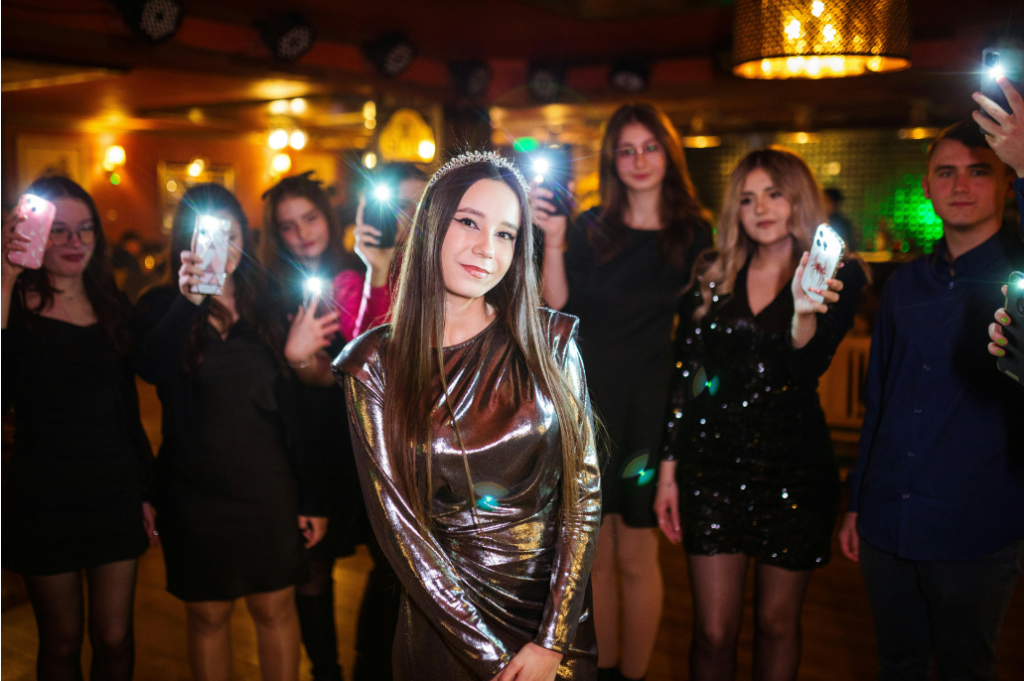
Posing and Human Elements
Candid vs. Posed Shots
Candid shots capture natural energy, while posed images convey style and intentionality. Balance both to keep your feed dynamic.
Including Locals or Travel Companions
Including people can add scale, context, and warmth to your images. Interacting with locals or friends provides stories that resonate beyond landscapes.
Consistency for Instagram Aesthetics
Theme and Color Palette
Stick to a cohesive palette—warm tones, cool hues, or muted shades—to create a visually consistent feed. A consistent theme helps followers instantly recognize your style.
Planning Your Feed Layout
Consider how photos appear side-by-side in a grid. Alternating colors, subjects, and compositions creates an engaging, scroll-stopping experience.
Overcoming Common Challenges
Crowds and Busy Locations
Arrive early or scout alternative angles to avoid distractions. Sometimes a higher vantage point or a tight crop makes crowded spots look serene.
Bad Weather and Lighting
Embrace imperfections. Rain, fog, or overcast skies can add mood and drama. Learning to work with conditions instead of against them produces unique shots.
Conclusion
Capturing Insta-worthy travel photos is a mix of preparation, creativity, and intentionality. Understanding your gear, mastering composition, leveraging light, and curating consistent aesthetics will elevate your feed from casual snapshots to visually compelling storytelling.
Remember, great travel photos are about more than likes—they’re about capturing the essence of your journey, the emotions of the moment, and the beauty of the world around you.
FAQs
1. Do I need a professional camera for Instagram-worthy photos?
No, smartphones with good cameras and editing apps can produce stunning travel shots.
2. How important is editing for travel photography?
Editing enhances colors, contrast, and mood but should maintain authenticity. Subtlety is key.
3. What’s the best time of day for travel photography?
Golden hour (sunrise and sunset) and blue hour (just after sunset) provide optimal lighting.
4. How can I make crowded tourist spots look empty in photos?
Use creative angles, tight framing, or early/late visits to reduce visible crowds.
5. Should I include people in my travel photos?
Yes, including humans adds scale, context, and a relatable narrative to your images.